
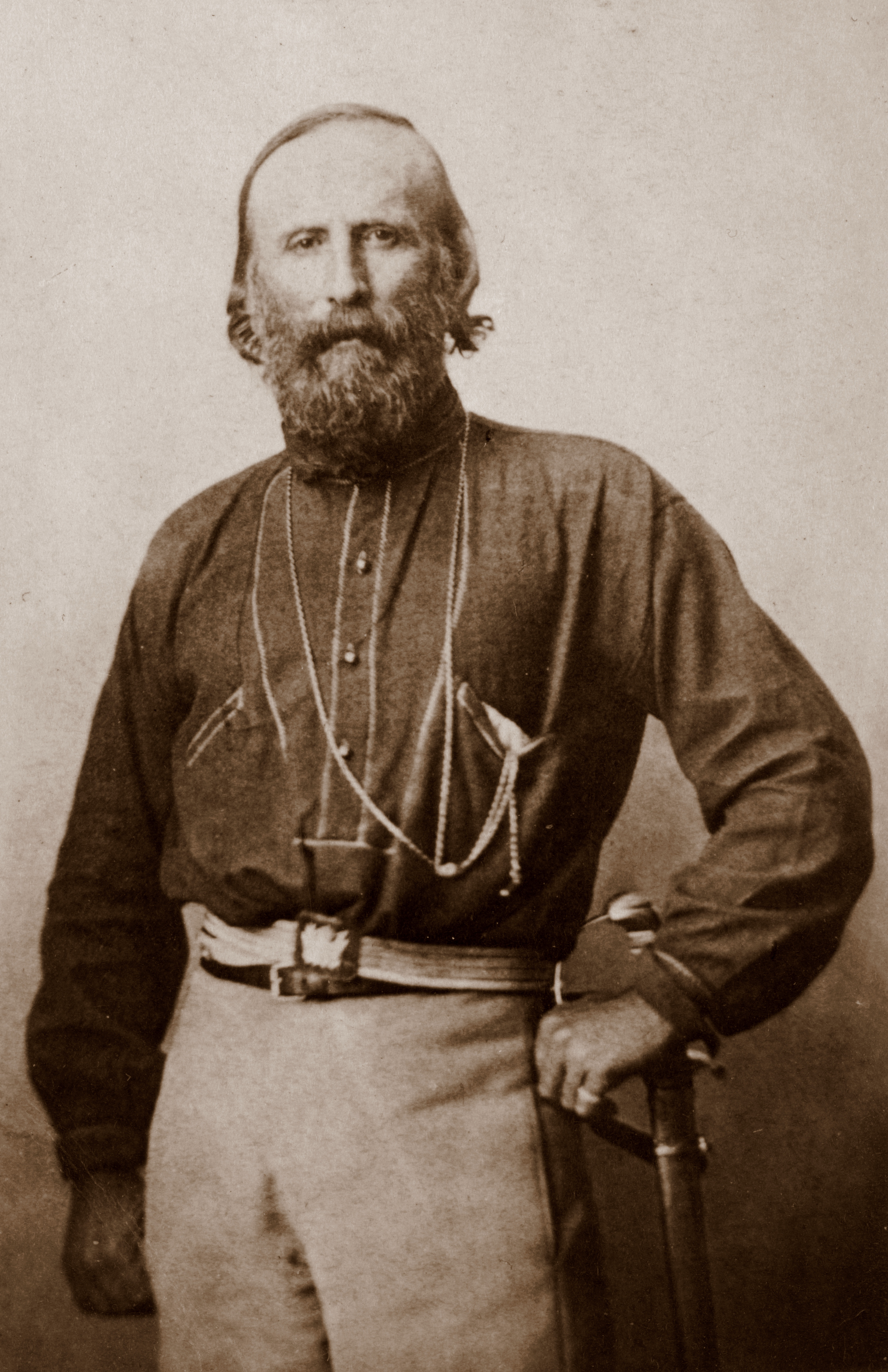
Garibaldi, the Red Shirt, and the Politics of Dress
In 1849, during the short-lived Roman Republic, politics unfolded not only in speeches, decrees, or military strategy, but on the surface of the body itself. In the streets and on the defensive walls of Rome, identity was made visible through clothing, gesture, and presence. At the centre of this moment stood Giuseppe Garibaldi and his volunteer fighters, the Garibaldini, whose distinctive red shirts would become one of the most enduring symbols of the Italian Risorgimento. Histories of this period have traditionally focused on diplomacy, political ideology, and military campaigns. Yet to understand the emotional force and lasting legacy of the Risorgimento, it is necessary to look beyond institutions and texts. My research instead turns to material culture, asking how clothing (something at once ordinary and intimate,) helped to construct and communicate political identity in a time of revolution.
Clothing as Political Language
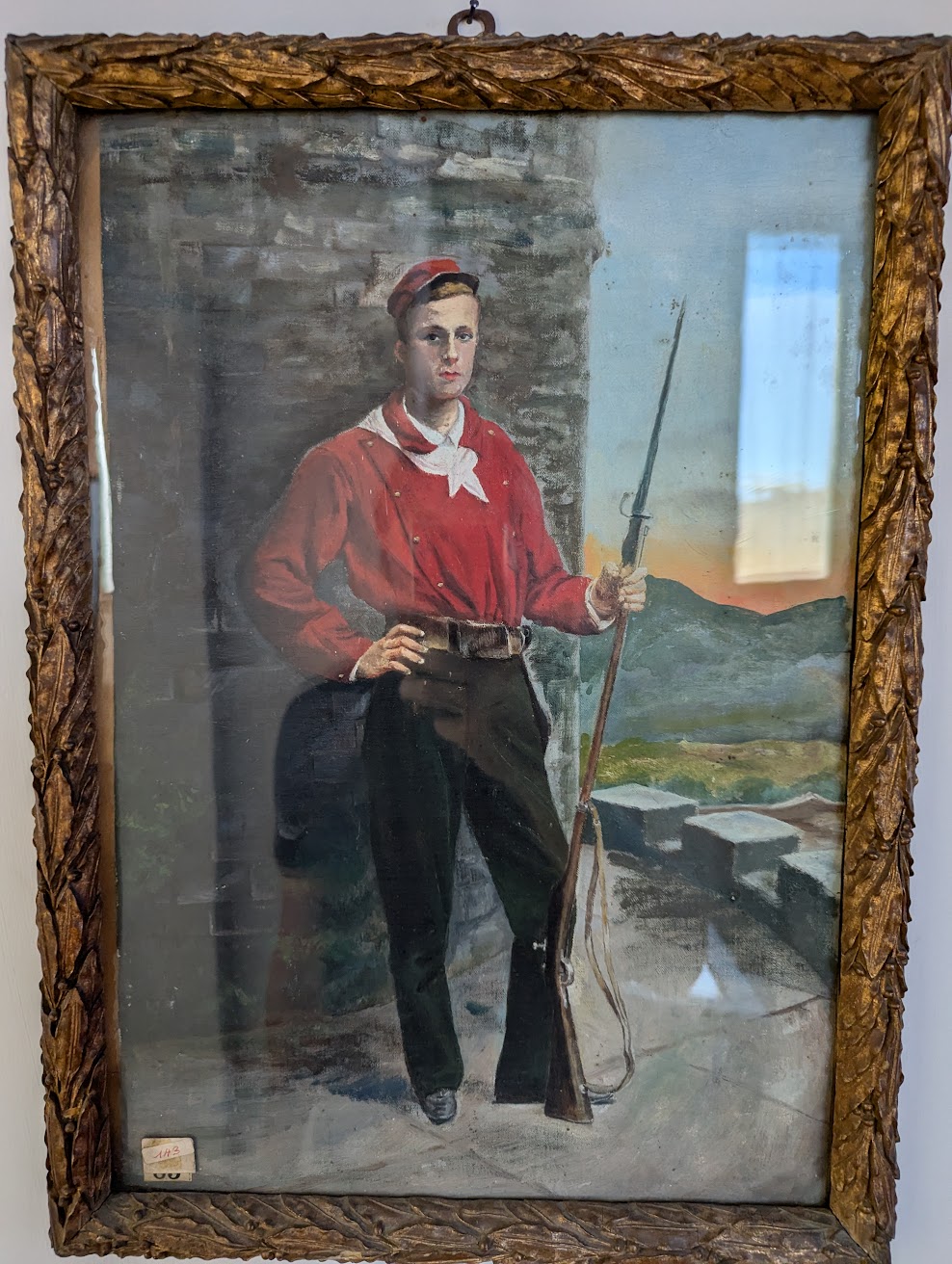
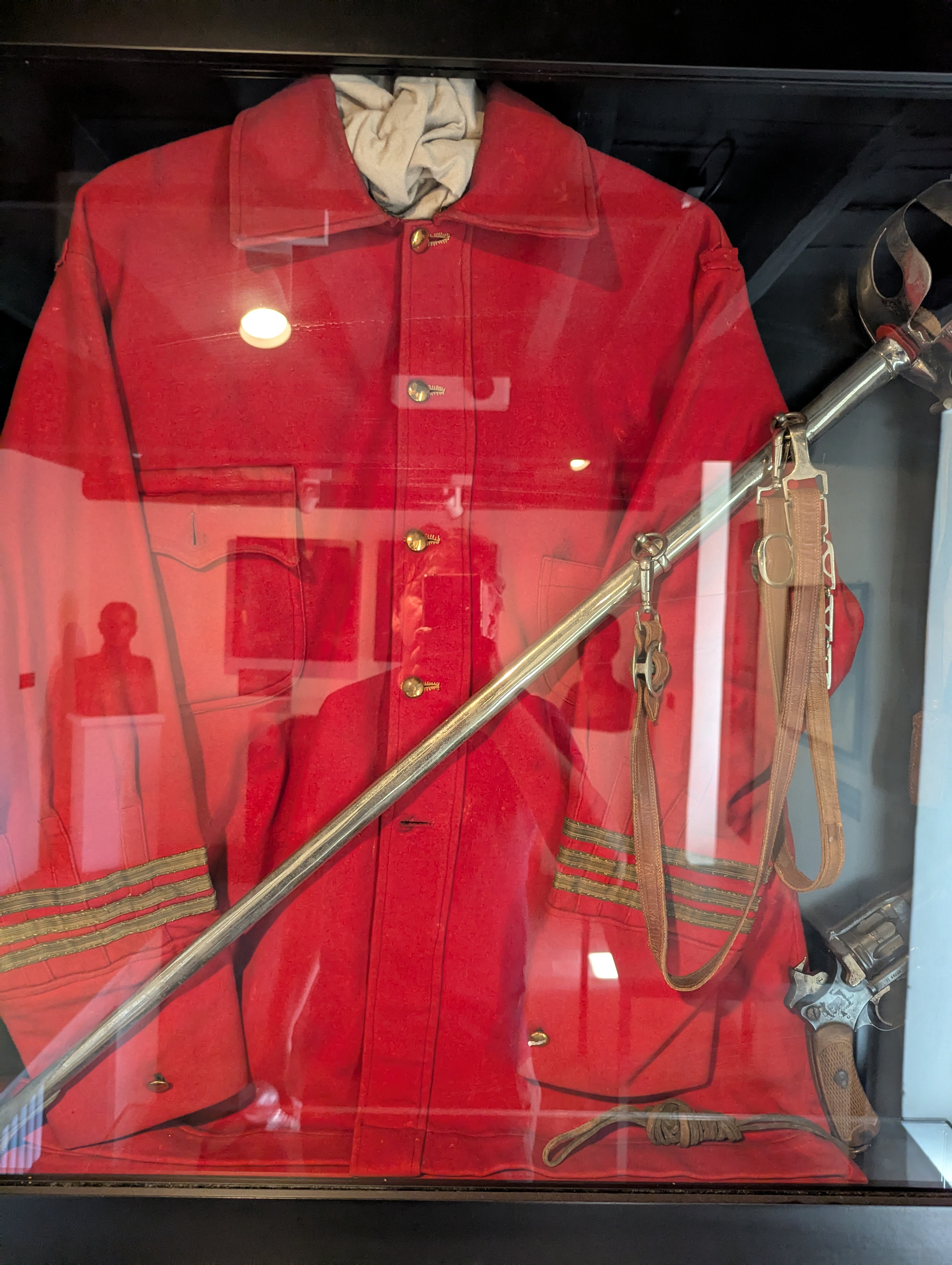
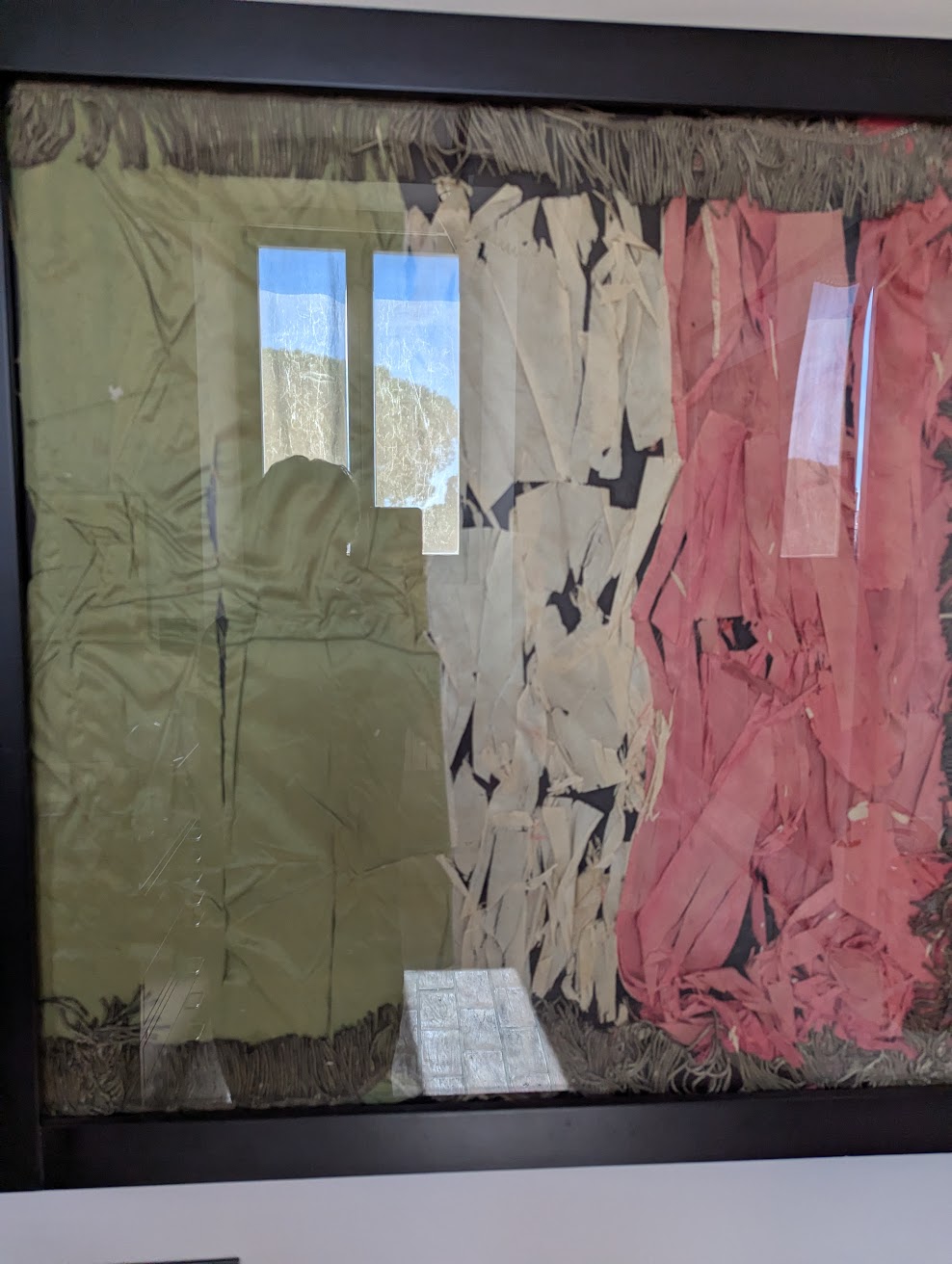
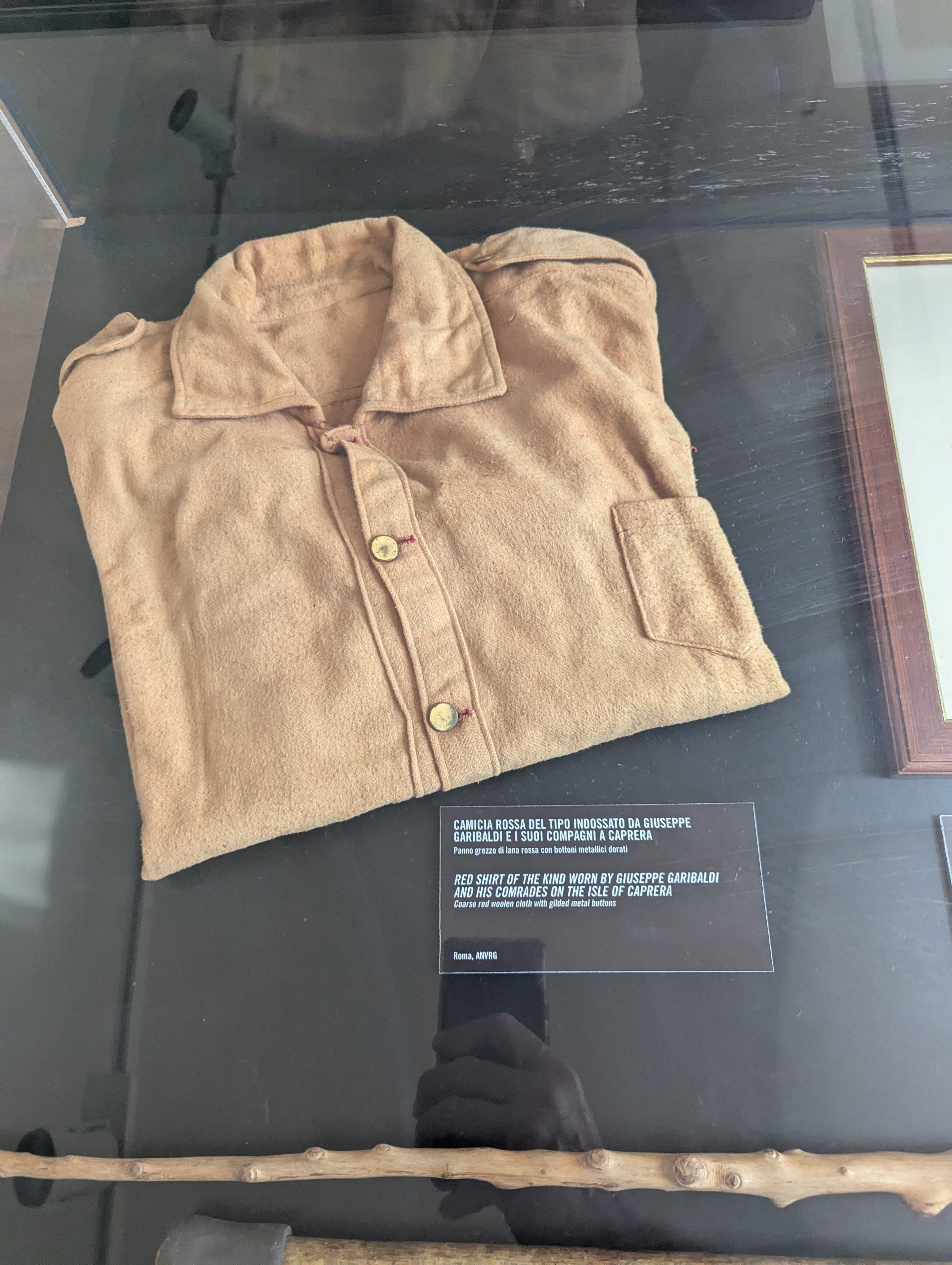
The camicia rossa, or red shirt, was far more than a practical garment worn in the field. It functioned as a kind of political language, through which abstract ideals such as liberty, equality, and sacrifice were rendered visible and embodied. In a movement that lacked the formal structures of a modern state, clothing became a crucial means of expressing belonging and solidarity. Unlike the highly regulated uniforms of nineteenth-century European armies, which signalled hierarchy, discipline, and state authority, the dress of the Garibaldini was strikingly irregular. Volunteers wore a mixture of garments. Some were loosely cut shirts, others more tailored jackets, often combined with civilian clothing or remnants of earlier military attire. There was no strict uniformity; however, the repetition of red across this diversity created a powerful visual coherence. This balance between sameness and difference was not incidental. It reflected the political ethos of the movement itself: a form of collective identity grounded in voluntarism and equality, yet flexible enough to accommodate individual variation. The red shirt unified without fully standardising, allowing each wearer to participate in a shared visual language while retaining a degree of personal autonomy.
The Origins and Power of the Red Shirt
The origins of the red shirt were, in fact, pragmatic rather than ideological. Garibaldi first adopted it during his campaigns in South America, where surplus garments intended for slaughterhouse workers were readily available and durable. Chosen initially for convenience, the shirt gradually acquired symbolic meaning as it travelled across borders and conflicts. By the time of the Roman Republic, the red shirt had become a potent sign of political identity. It marked its wearer as part of a broader community of revolutionaries, linking struggles in Italy to those in Latin America and beyond. It functioned simultaneously as a practical solution, a visual marker, and an ideological statement. On the battlefield, this visibility served an immediate purpose. In the confusion of urban combat, amid smoke, rubble, and shifting lines of defence, the bright red of the Garibaldini’s clothing made it easier for volunteers to recognise one another. It created moments of visual clarity within otherwise chaotic conditions. Yet this same visibility also made them more conspicuous targets. To wear the red shirt was to accept a heightened level of exposure, aligning bodily risk with political commitment. The garment thus transformed the body into a visible declaration of belief.
Garibaldi and the Construction of Image
Garibaldi himself was central to this visual economy. His appearance was simple, yet distinctive, and immediately recognizable; and played a crucial role in shaping his authority. Dressed in his red shirt, often accompanied by a poncho and wide-brimmed hat, he presented himself not as a remote or ornamental commander, but as a figure embedded among his followers. His style of leadership was not expressed solely through strategy or command, but through visibility. He was a leader who could be seen, and therefore followed. His image was reproducible, adaptable, and widely circulated, allowing him to embody the ideals of the Risorgimento in a way that was both accessible and emotionally resonant.
From Revolution to Fashion
The story of the red shirt does not end with the fall of the Roman Republic. In the decades that followed, it entered European and American fashion, most notably in the form of the “Garibaldi blouse,” worn by women and children in the 1860s. What had once been a symbol of militant republicanism became a fashionable garment, adapted to new social contexts. This transformation reveals the fluidity of political symbols. Detached from its original setting, the red shirt did not simply lose its meaning. Instead, it acquired new layers of significance, circulating within consumer culture while still retaining traces of its revolutionary origins. To wear such a garment was, however faintly, to participate in a broader culture of liberal sympathy and political identification.

Conclusion: Rethinking the Risorgimento
The fall of the Roman Republic in July 1849 marked the end of a political experiment, but not the end of its meaning. If the republic was defeated in military terms, it endured in the realm of representation, where its symbols continued to circulate, evolve, and resonate. Among these, the camicia rossa stands out not merely as an emblem of Garibaldi’s volunteers, but as a material expression of a new kind of politics: one that was worn, seen, and enacted on the body. In the red shirt, ideology became visible, collective identity became tangible, and the abstract aspirations of the Risorgimento were translated into a form that could move across borders and generations. Its persistence, from the battlefields of Rome to the salons of Europe, reveals the remarkable capacity of dress to carry political meaning beyond its original context, adapting while retaining its symbolic charge. The defence of Rome in 1849 was, in military terms, a failure. The Roman Republic collapsed, and papal rule was restored. Yet in cultural and symbolic terms, it represented a moment of extraordinary generative power. Through the figure of Garibaldi and the image of the red-shirted volunteer, the ideals of the Risorgimento were rendered visible, tangible, and enduring. By foregrounding clothing as a form of political language, this research has sought to move beyond conventional narratives of battles and leaders. The camicia rossa was not merely a uniform; it was a medium through which identity was constructed, solidarity expressed, and ideology embodied. It transformed the abstract principles of republicanism into lived experience, inscribed on the surface of the body. Its cultural afterlife certainly extended far beyond the battlefield, as by the 1860s it had entered European and American fashion, most notably through its adoption by elite women, where the “Garibaldi blouse,” transformed a symbol of militant masculinity into a fashionable garment. By focusing on dress, we gain a different perspective on the Risorgimento: one in which nationalism is not only imagined or declared, but performed and embodied. The red shirt reminds us that revolutions are not only fought with weapons and words. They are also stitched, worn, and made visible on the body.
Read the full academic article: O’Connell, Mark Joseph. 2026. Garibaldi and the Battle of Rome (1849): Fashion, Uniform, and the Politics of Dress in the Risorgimento. Seneca Fashion Resource Centre, Seneca Polytechnic, Toronto, ON, Canada. DOI: 10.5281/zenodo.19391866
 markoconnellstudio